

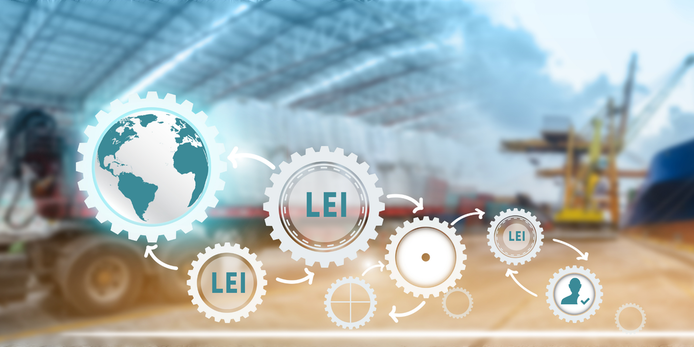
The Legal Entity Identifier system can play its role in easing the current global Supply Chain disruption
It is not uncommon for many businesses to experience unplanned supply chain disruptions.
Traditionally, bad weather and natural disasters were the main culprits, however, other issues were at fault on occasion also. Since 2020 we experienced a new entrant, COVID-19; which caused major havoc for companies on a global scale in relation to their supply chain distribution.
Precipitated by the COVID-19 pandemic and industry shut downs, recent supply chain delays have caused once again a rise in popularity in cargo shipping. We recently discussed the benefit of the LEI to the cargo shipping industry.
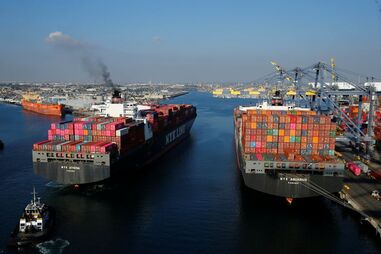
The shipping industry as a whole are now building larger fleets to cope, however the will not be ready until 2023, according to Tim Huxley, chief executive of Hong Kong-based Mandarin Shipping in a CNBC interview.A post-lockdown surge in global demand for goods combined with a shortage of workers has placed enormous strains on the global supply chain.
This includes bottlenecks and cargo build-ups at ports and warehouses, causing fears of “empty shelves” across the UK and US.
The pandemic has brought many things to light, including the fragility of the global supply chain.
This includes bottlenecks and cargo build-ups at ports and warehouses, causing fears of “empty shelves” across the UK and US.
The pandemic has brought many things to light, including the fragility of the global supply chain.
How can the Legal Entity Identifier play its role in easing the current difficulties with global supply chains
The International Chamber of Commerce recently published its Identity Management Guide for all parties involved in International Supply Chains. The Legal Entity Identifier (LEI) was included as the key means of identifying all entities involved in a cross border supply chain network.
The guide states: “The global LEI system is designed to support international (and domestic) businesses with the identification of their business partners of any industry and of government agencies.”
Entity identification in the supply chain is currently out-dated as most companies do not have a single database with all the necessary data points of their clients/suppliers.
This necessary process is often costly and time consuming, as market participants will not only need to identify their counterparties, but also be aware of their organisational and branch structure.
Supply Chain Visibility refers to the transparency of tracking a product from initial shipment to final delivery. Supply Chain Visibility is critical to the seamless efficient running of any Supply Chain.
The predominant characteristic of a high visibility supply chain is an ability to establish, at any time, the overall status of all elements of the supply chain together with the ability to drill down further if required to get more details. This includes easily and quickly identifying parties and legal entities involved across all touch points of the chain.
The LEI enables supply chains to quickly and digitally identify organisations within a supply chain, adding an extra layer of transparency and trust into commercial partnerships. This would replace outdated identification systems and introduce a common entity ID system that is interoperable, global and standardised across industries/entity types.
By utilizing the free, publicly accessible LEI database for supply chain visibility we can reduce complexity and achieve a higher operating profit than those who do not have a proper tracking system in place.
Trust.
Another issue highlighted by the pandemic is a core fundamental principle to international trade; trust. Trusting that a supplier located on the other side of the world is who they say they are. With many digital fraudsters seizing the opportunity presented by high volumes of demand for goods such as PPE in a global pandemic, we witnessed increasing levels of intricate scams and fake businesses, all of which cast doubt on the global economic landscape and burden financial institutions with delays and setbacks.
The current system used in ‘supply chain identification’ is overly complex, fraught with risk and sometimes inconsistent data. For example, a survey conducted by GLEIF highlighted that 50% of financial institutions use approximately 4 identifiers to identify corporate clients. By using the LEI we can more easily identify would-be fraudsters and bring an extra layer of uniformity to the industry.
According to the GLEIF, the LEI system offers:
✅ One universal digital identity
✅ Instant identity verification
✅ Verified company info
✅ High-quality data
✅ Open & free of charge data
This means the LEI is in a unique position to be the single trusted identifier for all entities not just in the supply chain, but globally.
The can therefore play its role by consolidating a fragmented global identification system, easing blockages, time costs, and shortening delays in the global supply chain.