

In the modern financial landscape, transparency and trust are the cornerstones of every stable market. Central to this framework is the Legal Entity Identifier (LEI), a unique 20-digit code that serves as a universal identifier for entities engaging in financial transactions.
Whether you are a multinational corporation, a small company, or a private trust, maintaining an active LEI status is not just a best practice, it is often a legal obligation. This comprehensive guide explores why you must renew an LEI, the detailed steps involved in the renewal process, and how to ensure your organisation remains compliant with global regulations.
What is a Legal Entity Identifier (LEI)?

Before diving into the renewal steps, it is essential to understand the system itself. Developed by the International Organization for Standardization (ISO), the LEI is a high-quality data tool designed to provide clear and unique entity identification.
Every LEI code is connected to the Global LEI Index, a public database managed by the Global Legal Entity Identifier Foundation (GLEIF). This index contains vital information about a party, including:
- Legal Name of the entity.
- Registered address and headquarters.
- Jurisdiction of formation.
- Parent company structure (who owns whom).
- Registration details with local authorities.
By providing a “clear view” of who is who and who owns whom, the LEI system significantly reduces risk for banks, investors, and regulators across the world.
Why You Must Renew an LEI Annually
A common question many clients ask our team is: “Why do I need to renew my LEI every year?” The answer lies in the integrity of the data. Unlike a permanent tax number, an LEI requires an annual verification of its associated record. Over twelve months, a company may change its name, move its registered office, or alter its parent company relationship.
The Importance of Data Accuracy
If LEIs were never updated, the global database would quickly become cluttered with obsolete information. The renewal process ensures that:
- All details remain accurate and reflect the current status of the legal entity.
- Regulators in the UK, United States, Canada, India, Germany, France, and beyond can rely on the data for reporting purposes.
- Trust is maintained between counter-parties in international trade.
The Consequences of a “LAPSED” Status
Your LEI code has an expiry date exactly one year from its initial registration or its last renewal. Once this date passes without action, the status on the GLEIF search tool changes from “ISSUED” to “LAPSED.”
A lapsed status can lead to several significant issues:
- Transaction Blockage: Under regulations such as MiFID II/MiFIR, many financial institutions operate under a “No LEI, No Trade” rule. A lapsed code can result in the immediate suspension of your ability to execute transactions.
- Regulatory Fines: Regulators may impose penalties on organisations that fail to meet their reporting obligations with an active identifier.
- Loss of Credibility: A lapsed record suggests a lack of compliance oversight, which can affect your reputation with a client or partner.
How to Renew an LEI: A Step-by-Step Guide
The process to renew an LEI is designed to be straightforward, ensuring minimal disruption to your business. Whether you are managing a single LEI number or a bulk portfolio of LEIs, following these steps will ensure your status remains “ISSUED.”
Step 1: Identify Your Renewal Date
You should check your LEI renewal date regularly. You can do this via an LEI search on the GLEIF website or through your service provider. Most Local Operating Units (LOU) or Registration Agents will send a notification via email or phone to get in touch before the expiry.
Step 2: Access the Renewal Platform
Visit the LEI Worldwide homepage and locate the renewal section. If you are already a client, you can log into your account to see a list of your entities.
Step 3: Review and Update Entity Information
During the application, you will be asked to confirm if any changes have occurred over the past year. This includes:
- Changes to the legal name.
- Updates to the registered address.
- Changes in the structure of the parent company.
- New documents or statements that verify the entity’s existence.
Step 4: Choose a Renewal Term
Many issuers now offer multi-year renewal packages. This is a popular service for companies looking to save money and time. By choosing a 3-year or 5-year renewal, the Registration Agent manages the annual verification on your behalf, ensuring you never hit a lapsed status.
Step 5: Submission and Payment
Once the form is complete, proceed to the checkout. The cost or fees associated with the renewal cover the LOU administrative costs and the GLEIF allocation fee. After payment, your application enters the verification progress phase.
Transferring an LEI vs. Renewing an LEI
It is important to distinguish between a simple renewal and a transfer.
What is an LEI Transfer?
An LEI transfer is the act of moving the management of your LEI code from one service provider (or LOU) to another. This is often done to consolidate a portfolio, achieve better service, or reduce annual costs.
- Transfer is Free: Most Registration Agents do not charge a fee to move an LEI into their care.
- Transfer and Renew: If your LEI is currently held with another issuer and is due for renewal, you can transfer and renew it simultaneously.
- Authorisation: You may be required to provide a signed document or letter of authorisation to confirm you have the rights to move the record.
When to Choose Transfer
If you are unhappy with the experience, fees, or lack of assistance from your current Local Operating Unit, a transfer to LEI Worldwide allows you to benefit from expert management and a more user-friendly platform.
The Role of Local Operating Units (LOUs) and Registration Agents
The LEI system functions through a network of organisations:
- GLEIF: The umbrella organisation ensuring the integrity of the system.
- LOU (Local Operating Unit): These are the issuers authorised to grant LEIs. They validate the data against local official sources (like Companies House in the UK or similar registries in Italy, Ireland, Cyprus, Netherlands, and Greece).
- Registration Agent: An entity like LEI Worldwide that streamlines the application and renewal process for the client. They act as an intermediary, providing assistance, answering questions, and managing the technical side of the database entry.
Managing LEIs for Different Entity Types
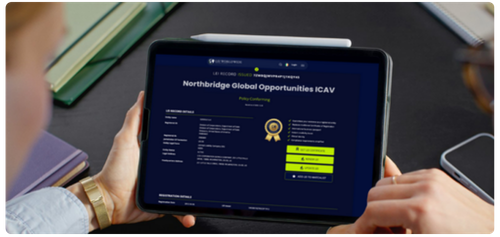
The requirements for an LEI renewal can vary slightly depending on the type of entity.
Trusts and Charities
Trusts often face unique challenges in entity identification because they may not be listed on a public company register. In these cases, specific trust documents (like a Trust Deed) must be provided during the renewal to verify the legal party and its structure.
Fund Management
For investment funds, maintaining an active LEI status is critical for trade compliance. Often, a single manager will oversee bulk renewals for dozens of different sub-funds.
International Jurisdictions
While the LEI is a global standard, the validation process must respect local laws. Whether the entity is based in France, Germany, Canada, or India, the issuer must have the expertise to navigate different jurisdiction registries.
Frequently Asked Questions (FAQ)
How long does it take to renew an LEI?
Typically, the renewal process takes a few times, depending on how quickly the LOU can verify any changes to the entity data.
What if I forgot my LEI number?
You can use the LEI search tool on our page to find your code by searching for your company name.
Can an individual apply for an LEI?
The LEI is generally for legal entities, not individuals. However, individuals acting in a business capacity (like some sole traders in certain markets) may occasionally require one.
What happens if the entity is no longer active?
If a company has been dissolved, the LEI cannot be renewed. Its status will remain in the database as “RETIRED.”
Improving Transparency in Global Markets
The commitment to an updated LEI database is a commitment to global financial stability. When every issuer and entity fulfills their obligations, the risk of market manipulation and money laundering is significantly reduced.
Regulators rely on this content to monitor systemic risk and ensure that all market participants are identified correctly. By ensuring your LEI renewal is handled by experts, you contribute to a more transparent and trustworthy global financial system.
Summary of the LEI Renewal Process
| Step | Action | Responsibility |
| 1 | Monitor Expiry Date | Entity / Registration Agent |
| 2 | Submit Renewal Form | Entity |
| 3 | Data Verification | Registration Agent / LOU |
| 4 | GLEIF Update | LOU |
| 5 | Confirmation of Active Status | Registration Agent |
Conclusion: Partner with the Experts
Navigating the world of Legal Entity Identifiers doesn’t have to be a burden for your team. By choosing a dedicated service provider, you ensure that your entity’s information is always accurate, your transactions are never interrupted, and your compliance is guaranteed.
If you are approaching your renewal date or currently have a LAPSED status, don’t wait for regulators to flag your account. The process is simple, the cost is manageable, and the peace of mind is invaluable.